Why Your Prescott Home Still Feels Cold No Matter How High You Turn the Heat
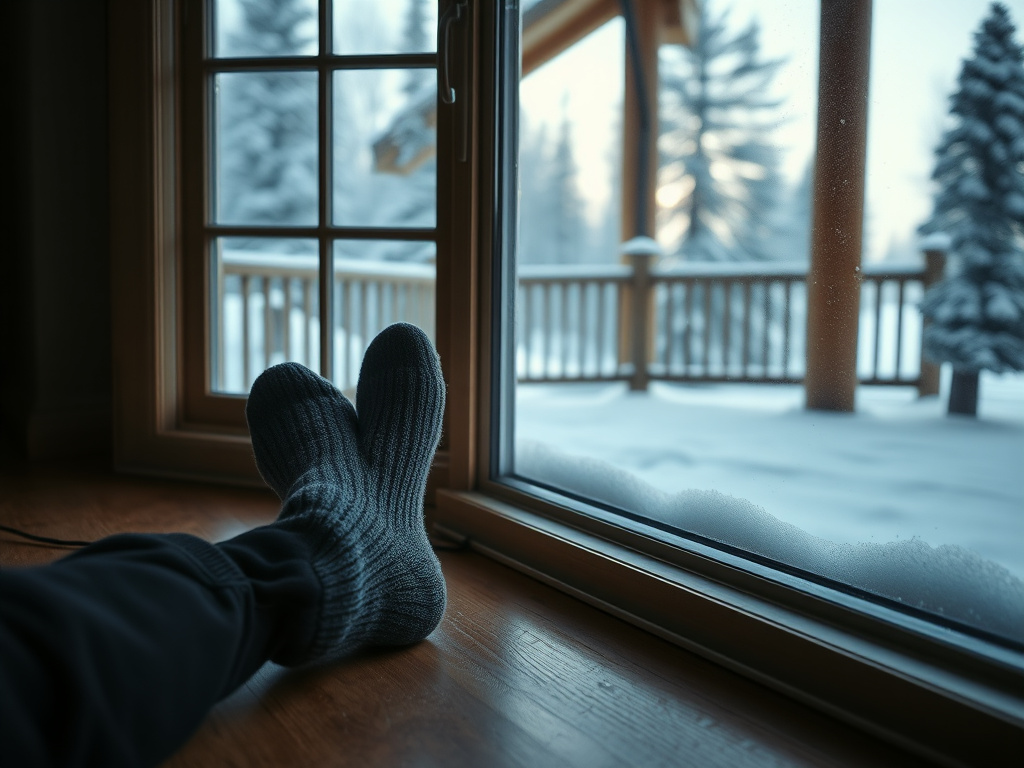
It's one of the most common calls we get in Prescott every winter: the furnace runs almost constantly, the heating bill keeps climbing, and the house still feels cold — especially the floors, and especially in older parts of the home. The instinct is often to blame the furnace. Most of the time, the real problem is heat escaping through an under-insulated building envelope faster than the furnace can keep up.
Prescott's climate is genuinely heating-dominated
Prescott sits at roughly 5,368 feet in IECC Climate Zone 4B — a mixed-dry mountain climate, not the low-desert heat of the Phoenix metro two hours south. NOAA climate normals show a January average high around 53°F with a low near 26°F, and roughly 121 nights a year at or below freezing. That's a real, sustained heating season, and it's the dominant energy driver in a Prescott home's annual utility bill — not summer cooling.
Where the heat actually escapes
- Through the attic and roof deck — heat rises, and an under-insulated attic is consistently the single largest heat-loss surface in a home
- Through exterior walls, especially older homes with original, thin, or settled batt insulation that was never sealed
- Through an uninsulated crawl space beneath the home, which is common in Prescott's raised-foundation housing stock and pulls heat straight out of the floor above it
That third pathway surprises a lot of homeowners. Because Prescott's elevation and frost line make raised-foundation, crawl-space construction more common here than in the low desert, a cold, vented, uninsulated crawl space is a genuinely common — and often completely overlooked — source of cold floors and heat loss.
Why batt insulation alone doesn't solve it
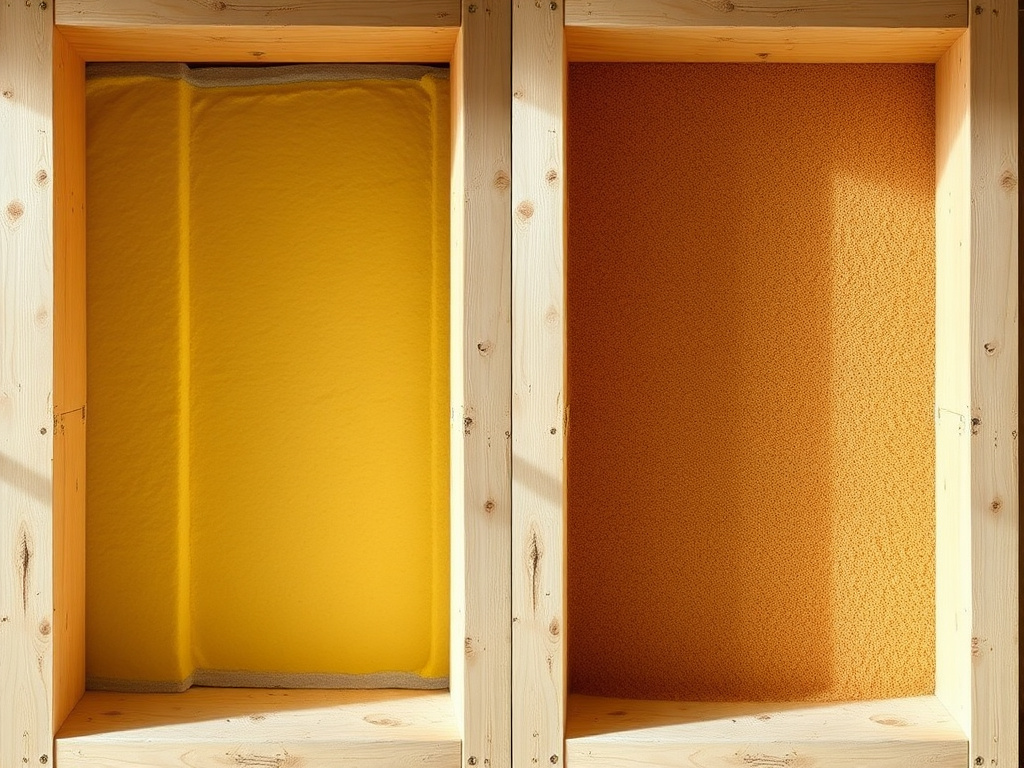
Fiberglass batts reduce heat transfer through the material itself, but they don't seal the gaps around wiring, plumbing, top plates, and framing where warm air still escapes and cold air infiltrates. That's the core difference spray foam brings: it insulates and air-seals in the same application, closing the pathways that batts structurally can't.
What actually fixes it
For most Prescott homes, the highest-return fix is attic insulation — targeting the Department of Energy's general Zone 4 guidance of R30 to R49 depending on your starting point — followed by crawl space insulation for homes with a raised foundation, and then wall insulation for any exterior walls that are already open for other work. We assess your specific home before recommending a scope, since not every house needs every upgrade.
Frequently asked questions
For homes with under-insulated attics, walls, or crawl spaces, yes — often meaningfully. Spray foam air-seals and insulates in one step, which stops the infiltration of cold outside air and the escape of heated indoor air that drives most of a Prescott winter heating bill. The exact savings depend on your home's starting condition, which is why a free on-site assessment matters more than a generic percentage.
Yes, unfortunately it's common. A lot of older homes in the Prescott area were built before crawl space insulation was a standard practice, and it's an easy area to overlook since it's out of sight. If your home has a raised foundation and you've never had the crawl space insulated, there's a good chance it's contributing to cold floors and heat loss.
Ready for a free quote?
Tell us about your home and we'll build a clear, no-pressure quote.